
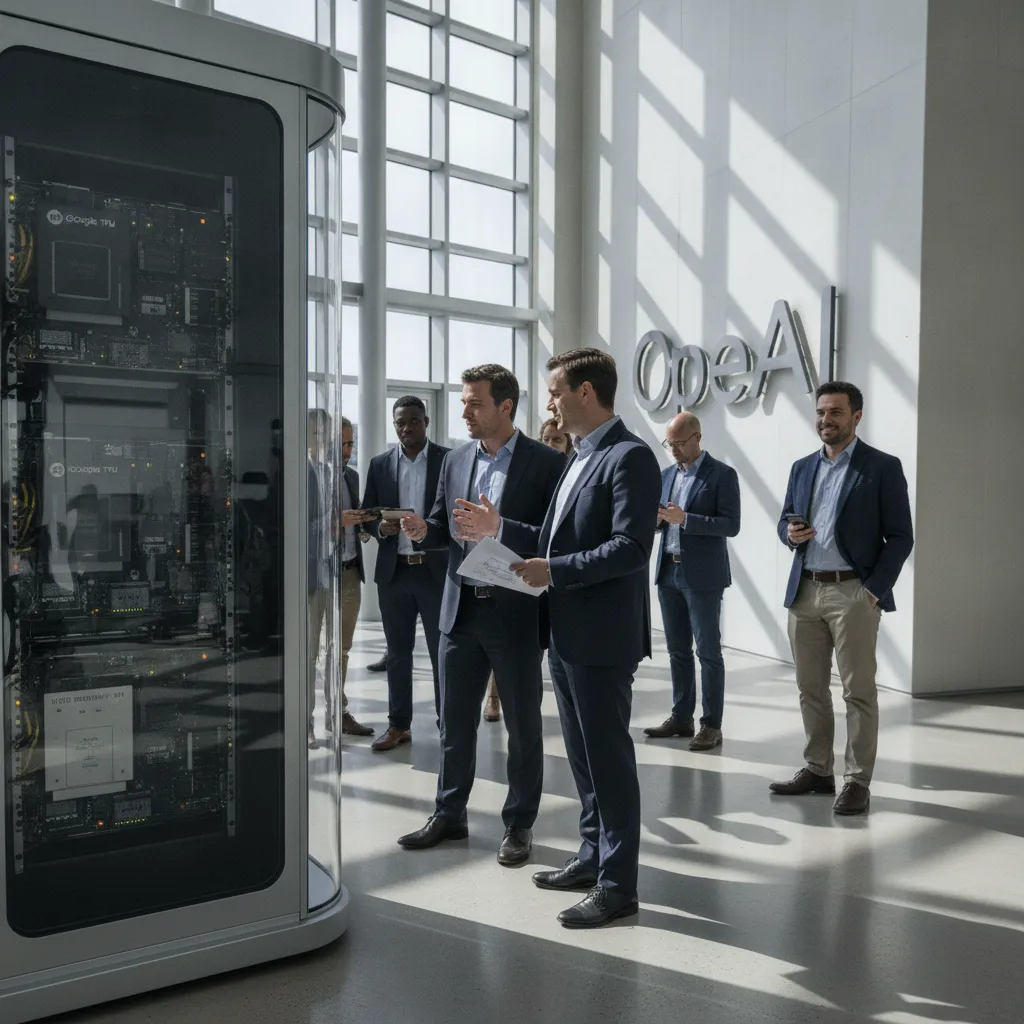
Reports have surfaced that OpenAI is planning to purchase artificial intelligence chips directly from Google, marking a potential shift toward using Tensor Processing Units instead of relying solely on rented cloud space. While the move initially seems like a blow to Nvidia, given that OpenAI remains one of the world’s most aggressive buyers of GPUs, the market reaction has been surprisingly muted. Many observers believe the headline suggests a migration away from Nvidia that simply isn’t supported by the actual numbers or existing contracts.
The reality is that OpenAI’s relationship with Nvidia is deeper than ever, involving massive long term commitments and infrastructure deals reaching into the hundreds of billions through 2030. There is little evidence to suggest these agreements are being scaled back; rather, it appears OpenAI is simply expanding its toolkit. By purchasing Google’s hardware alongside its continued investment in Nvidia, the AI giant is diversifying its supply chain at a time when high end compute remains the most valuable currency in tech.
For Nvidia shareholders, the primary concern currently isn’t a lack of customers, but rather a struggle to keep up with overwhelming demand. Company leadership has explicitly stated that they are operating in a supply constrained environment where orders far exceed their production capacity. In such a market, any chip that OpenAI decides to source from Google likely just moves down the waiting list to another eager buyer who has been desperate for hardware.
Ultimately, Nvidia’s current valuation already reflects expectations of an eventual growth slowdown and increased competition from rivals like Alphabet. With supply bottlenecks expected to persist well into fiscal 2028, a reported plan to diversify hardware is unlikely to trigger a selloff. Until Nvidia reaches a point where it can satisfy every single customer request simultaneously, adding another chip provider to the mix serves as more of a strategic hedge for OpenAI than a systemic threat to Nvidia’s dominance.
This article is for general education only and is not financial, investment or tax advice.